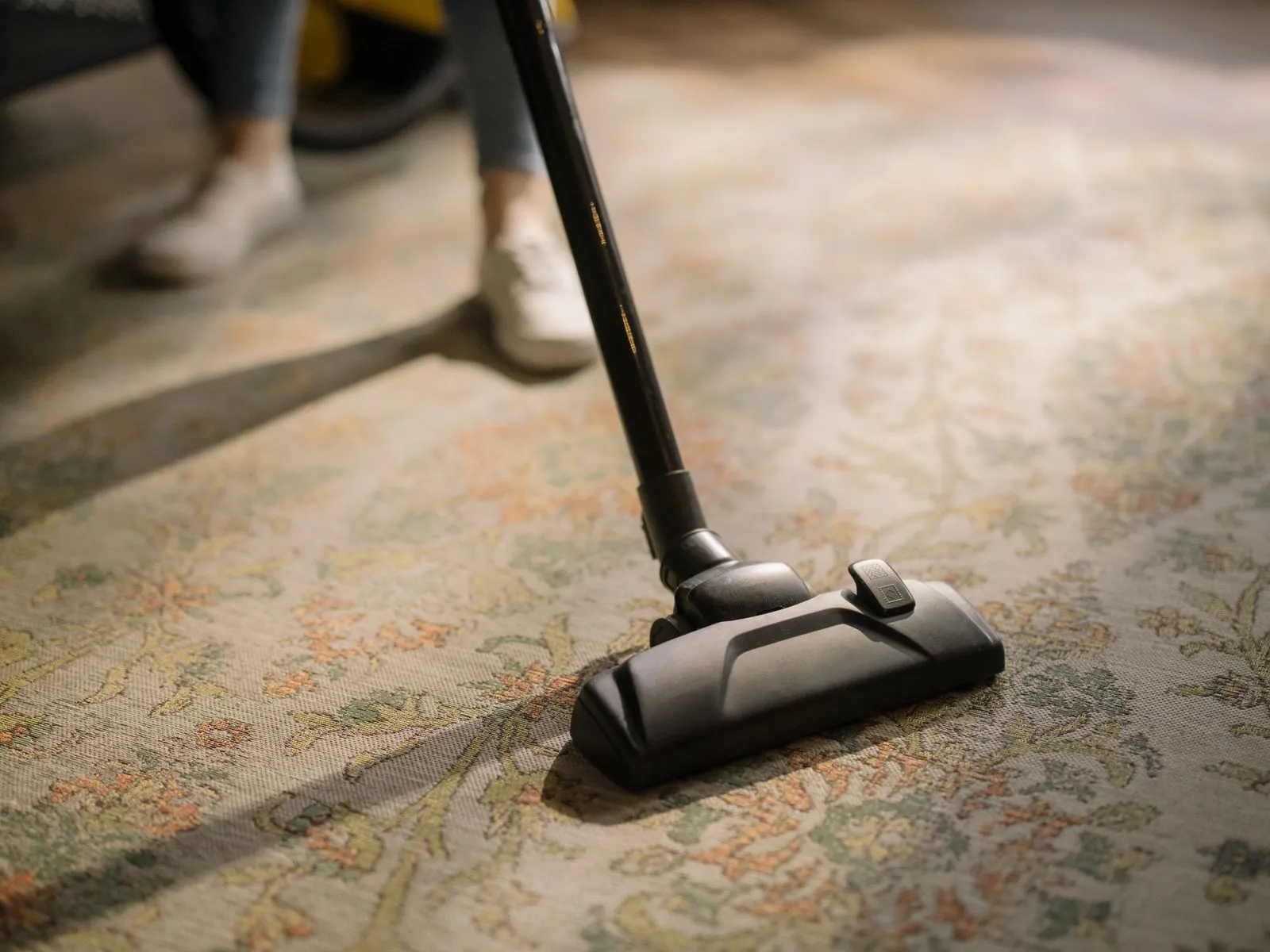
There is no single carpet cleaning schedule that fits every home. A quiet room may stay fresh with less frequent attention, while a busy entryway can collect grit and soil quickly. Pets, children, shoes, spills, and carpet color all affect how often cleaning makes sense. Use the condition of your rooms—not just the calendar—to choose a practical routine. Regular vacuuming and prompt spot care help keep dirt from building up between deeper cleanings.
Start With Household Traffic
Look at how each room is used. Hallways, stairs, living rooms, and routes from the entrance usually see more foot traffic than guest rooms or formal spaces. For a practical starting point, consider deeper cleaning about every 6 to 12 months in regularly used areas, then adjust based on how quickly the carpet looks or feels dirty.
Vacuum high-use areas more often than rooms that see little activity. In busy spaces, vacuum several times a week; in quieter rooms, weekly vacuuming may be enough. Move furniture occasionally and vacuum along edges where dust gathers. If you notice a dull path, flattened pile, or grit underfoot, increase your routine rather than waiting for the next planned deep clean.
Account for Pets and Children
Pets can bring in outdoor dirt, shed hair, and leave odors or accidents. If animals spend time on carpet, vacuum frequently and treat fresh spots as soon as you can. Blot liquid with a clean cloth instead of rubbing, which can push it deeper into the fibers. Follow the carpet manufacturer’s care instructions before applying any cleaner.
Children, frequent visitors, and indoor play can also add crumbs, spills, and ground-in soil. In these homes, inspect carpeted areas every few weeks and plan deeper cleaning when vacuuming no longer lifts the visible dirt or odors linger. If a stain keeps returning, the spill may have reached the backing; avoid repeated soaking and consider professional advice.
Use Visible Soil as a Guide
Check the carpet in daylight, especially near doors and in the paths people walk most. Look for darkened lanes, spots, lingering odors, or a rough, gritty feel. Light-colored carpet may show soil sooner than a darker shade, but hidden dirt can still build up in either. A room that looks clean can benefit from routine care, while obvious buildup is a sign not to postpone cleaning.
Before using a carpet cleaning machine or solution, check the care label and test the product in an inconspicuous spot. Use only the recommended amount of cleaner and avoid leaving the carpet overly wet. Too much solution or slow drying can leave residue or contribute to musty odors. Ventilate the room and keep people and pets off the carpet until it is dry.
Build a Simple Routine
A manageable plan pairs frequent vacuuming with deeper cleaning based on room use. Vacuum busy paths several times a week, address spills promptly, and review each room seasonally for visible soil or odor. Many households can begin with a deeper clean every 6 to 12 months in commonly used areas, then shorten or extend that interval as conditions require.
Some carpets need a different approach. Follow the manufacturer’s guidance, particularly for wool, delicate fibers, or stain-resistant treatments. If you are unsure which method is safe, ask a carpet care professional before using a rental machine or strong product. Lakeview Carpet Care serves Chicago households and can help you decide what cleaning approach fits your carpet.
Choose a schedule that reflects how your household actually uses each room. Watch high-traffic paths, account for pets and children, and respond when soil, stains, or odors appear. Consistent vacuuming and timely deeper cleaning can keep carpet more comfortable and easier to maintain. If you want help assessing your carpet, contact a local cleaning professional.